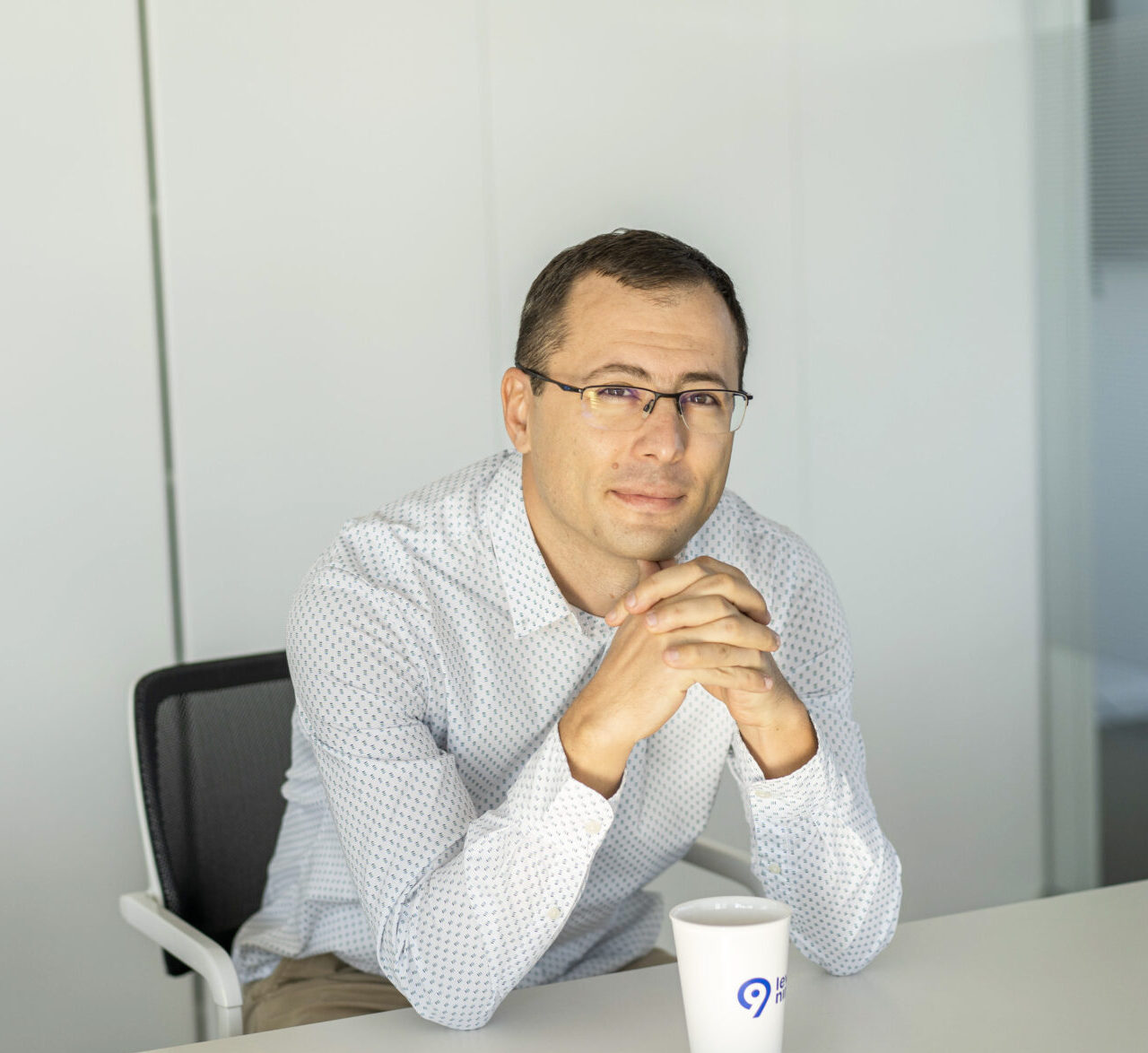
Nine years is long enough to change not just a career, but a person. For Marko Stojanović and Dragan Škrinjar, both now DevOps architects at Levi9 Serbia and both looking back on nearly a decade at the company, that’s exactly what happened.
From system administration to DevOps
Both started on the infrastructure side. Marko came to Levi9 after working as a Linux System Administrator, handling server administration, distributed data storage and automated installations. What attracted him was the chance to work on more diverse, technically demanding projects and to move from pure system administration into a broader DevOps scope.
Levi9 was the company that offered me my first real DevOps challenge, and it became the place where I’ve continuously had the chance to work with different teams, technologies and customers.

Marko Stojanović
DevOps Architect
Marko describes his technical path as a clear line: from administering Linux servers, MySQL and PostgreSQL databases and basic automation with tools like preseed, kickstart and Chef, to architecting full cloud-native systems built on Kubernetes, Terraform, GitOps with ArgoCD, and multi-cloud environments spanning AWS and Azure.
Every project brought a new technical problem, and we solved them using what we already knew, but always in a more technologically advanced way. That, in fact, has been my own pattern of growth.
Marko Stojanović
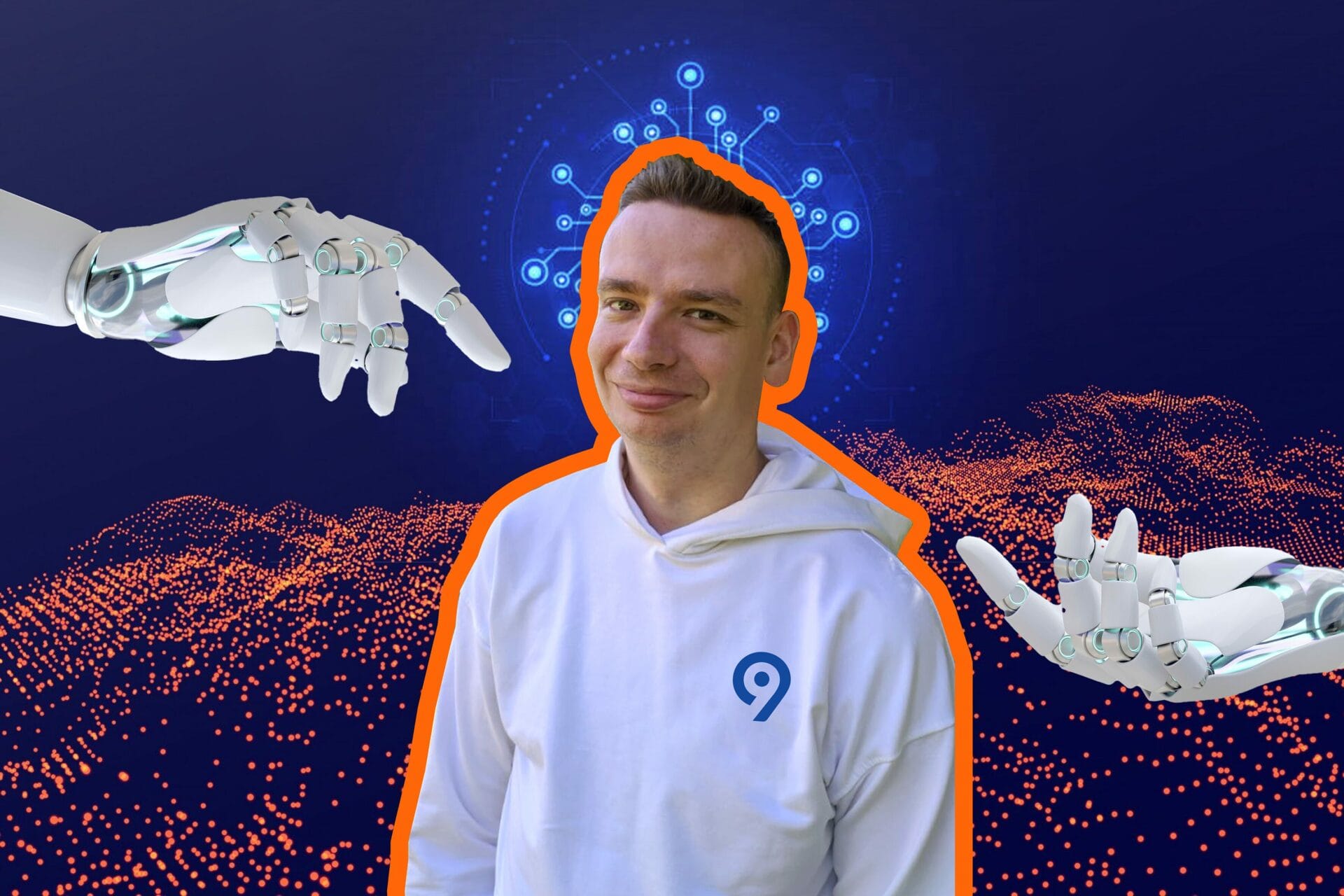
Dragan joined as a Senior System Administrator in ITOps. From there he moved into commercial projects, then shifted his focus to DevOps, and later to cloud architecture and the business side of it. Over the past year, his focus has been AI in DevOps. What the global market now calls AIOps.
The person who started working at Levi9 nine years ago and the person answering these questions today are two diametrically different people.

Dragan Škrinjar
DevOps Architect
The change wasn’t only technical.
Where he once focused on concrete tasks, he is now in constant communication with clients through every phase of a project, and part of internal initiatives, practices, presentations and webinars.
The technical knowledge and the communication and negotiation skills I arrived with, and the ones I have today, don’t just fail to compare. They stopped belonging to the same system of measurement a long time ago.
Dragan Škrinjar
Milestones and achievements
Marko points to several projects as turning points: a long-running engagement since 2017 where he designed CI/CD pipelines and infrastructure-as-code supporting more than 30 isolated environments, a complex refactor of AWS Kubernetes infrastructure on another project, and the introduction of a hybrid cloud approach combining AWS EKS and VMware Tanzu on the project he is proudest of.
On that last one, what stood out wasn’t simply standing up infrastructure, but a complete standardization effort: Terraform for provisioning, Jenkins for CI/CD, ArgoCD for GitOps deployment, unified Helm charts and Kubernetes manifests for portability between cloud and on-prem environments, plus centralized monitoring and logging.
The result was high availability and scalability across two completely different environments at the same time. A real test of how portable a solution truly is.
Marko Stojanović
He also counts the certifications he has earned in recent years as milestones in their own right: Certified Kubernetes Administrator, Microsoft Azure Fundamentals and, in 2025, AWS Certified Solutions Architect – Professional — confirmation. The knowledge he built through projects also carries formal weight.
For Dragan, the standout moment was the day the company passed its first Azure Specialization, the culmination of months of preparation to prove to an external auditor that Levi9 was standardized in migrating and modernizing web applications on Azure.
The day we passed our first Azure Specialization is a day to remember.
Dragan Škrinjar
How DevOps work has changed
Marko has watched the field shift from classic infrastructure administration, Puppet, manual provisioning, a single cloud provider, to a full GitOps and Kubernetes approach across multiple cloud providers in parallel, often AWS and Azure on the same or related projects. That shift changed his role too: from executing specific technical tasks to designing solutions as an architect and leading a team of DevOps engineers, guiding their development and performance while always introducing technologies a step ahead of the previous project.
The most recent change both men name is AI.
Marko has brought AI tools into daily work: writing and reviewing Terraform and Helm code, debugging Kubernetes issues, producing documentation and runbooks.
It (Claude Opus) was the first AI model I can say was genuinely usable for real DevOps work, and not just for simple tutorial examples. It changed the pace of the work and the way the team approaches solving problems.
Marko Stojanović
Dragan frames the same shift in broader terms, describing his own move toward AI in DevOps as part of the emergence of AIOps across the industry.

What makes Levi9 different
People first. Marko says he genuinely values the support he gets from his managers, something he does not take for granted, and that consistently interesting, demanding projects have kept the work from ever becoming routine.
What sets Levi9 apart most is the collaboration with colleagues. That, along with the projects themselves, is the main reason I’ve stayed nine years.
Marko Stojanović
Dragan says much the same in different words: excellent professionals, each in their own field, with whom he can exchange ideas and information at any time, without malice or ego.
I’ve been through all sorts of companies, but nowhere have I found a place where I can exchange ideas and advice on technical challenges as openly as here.
Dragan Škrinjar
He also highlights the balance between work and personal life. Of every company he has worked for, Levi9 is the one where he has found the best balance between the two: at previous jobs the professional side usually took a toll on the personal one; here, he says, that simply isn’t the case, he is building a career and organising family and private commitments well at the same time.
What keeps them going
For Marko, it is the fact that every new project brings a different technical context and different problems, so the work never feels repetitive.
I’ve never felt like I was doing the same thing twice, and the collaboration with colleagues and the support of my managers give the work a human dimension, not just a technical one.
Marko Stojanović
Dragan describes a similar drive: a constant desire to learn, to look beyond the horizon, to automate more, and to share knowledge with colleagues. He admits he is sometimes “criticized” for approaching new projects or new subject matter with too much enthusiasm.

If there’s no enthusiasm, work becomes just getting the job done; getting the job done leads to routine, and routine to boredom. And routine and boredom give me the creeps
Dragan Škrinjar
Advice for someone just starting out
Dragan’s advice is direct: stay hungry for knowledge, think globally by looking for the wider context, act locally by applying what you learn on your projects, and don’t spend half a day stuck on a problem out of embarrassment.
Ask when you hit a blocker. And never, absolutely never, use formal address with more senior colleagues — there’s none of that here!
Dragan Škrinjar
In this article: