When the Fit Is Right: Levi9 Meets Robaws 

Levi9 Meets Robaws

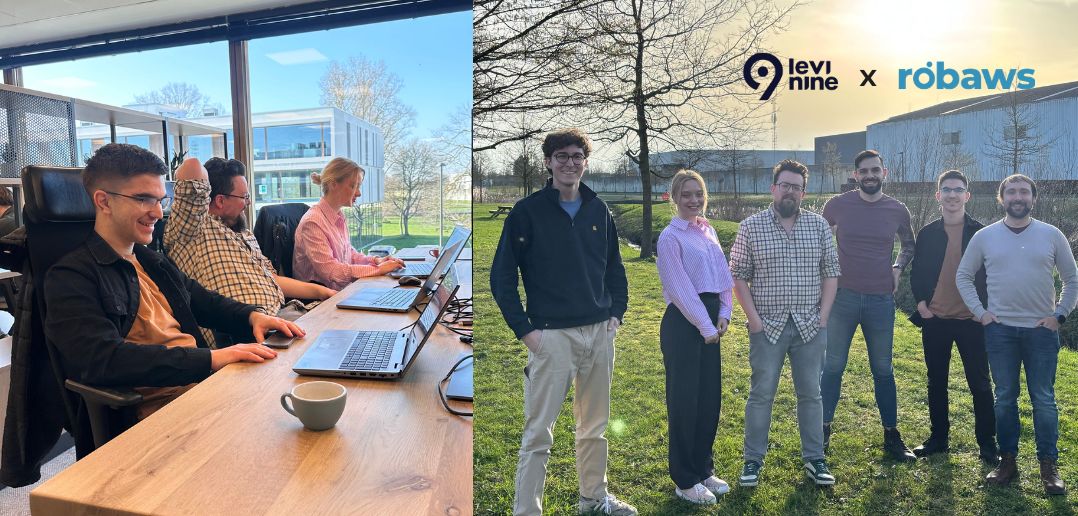
Levi9 lands in Belgium for an in-person kick-off with Robaws — a fast-growing construction ERP scale-up ready to take Europe by storm. Here’s how it went. 

Meet Robaws

Born in Belgium, built for builders. Robaws is a bootstrapped, profitable construction ERP scale-up that has quietly become the go-to platform for thousands of construction companies across Europe. With 50% year-on-year growth and 50+ employees, they now stand at an exciting inflection point: evolving from Belgian market leader to European ERP powerhouse, with the Netherlands already in their sights and Germany next on the map. 

Why Levi9?

From the very first conversations with Jeroen Verheye (CTO) and Jürgen Deschepper (Product Owner), it was clear this was more than a vendor search. Robaws chose Levi9 based on cultural fit, aligned ways of working, and the strength of the proposed team. In their own words, they could see themselves working with our people — not just alongside them, but as one team. 


The connection felt even more natural given that Jürgen previously experienced Levi9’s way of working firsthand during his time at DPG Media. This wasn’t a leap of faith; it was a well-informed decision made by a thoughtful team entering their first nearshoring engagement.

'Supportive, humorous, and exhilarating' — that's how I'd describe the energy in three words. We're beyond excited to help Robaws grow and reach new heights together.

On the ground in Zwevegem

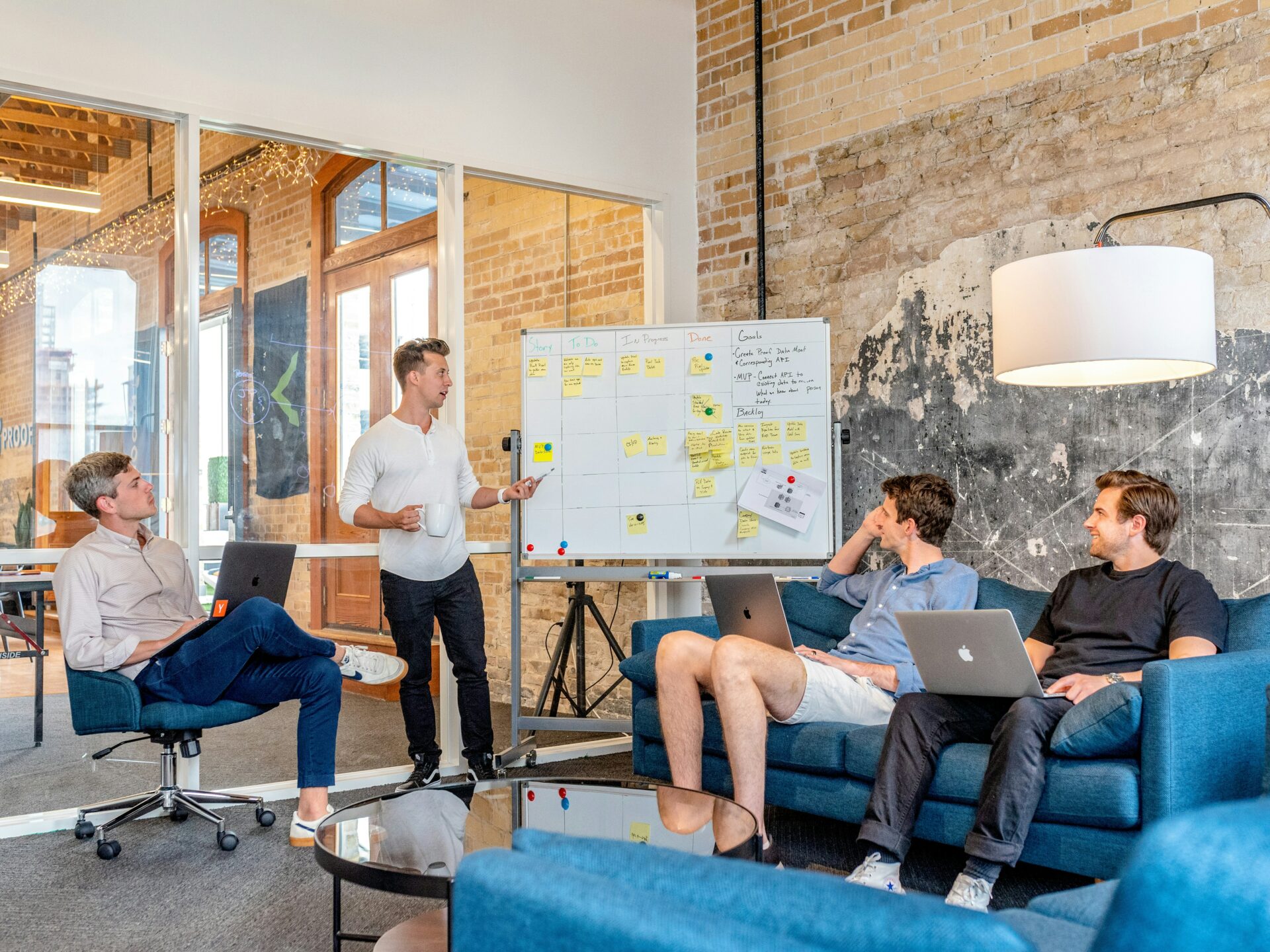
After a digital kick-off, our Serbian team flew to Robaws’ offices for an intensive in-person session. The Zwevegem location, remote and quiet, tucked away from the city bustle, set the tone immediately.  


Relaxed. Easy-going. Pressure-free. 


What struck Nikola Kostić right away was the warmth of the welcome. The goal of the day wasn’t so much to rush through the project backlogs or technical roadmaps. It was simpler, and more important: to add a human layer to the collaboration. To get to know each other beyond the Daily Stand-Ups and Product Backlog Refinement meetings. And that goal was more than achieved. 

What we'll build together

The collaboration will focus on fueling Robaws’ growth ambitions in a meaningful way. Levi9 will support their German market expansion by helping Robaws to deliver the features and compliance requirements needed to unlock this new market, a high-stakes, high-impact mission. 


Beyond execution, the engagement is about becoming a strategic partner: strengthening engineering practices, exploring frontend modernization, and sustainably scaling development capacity as Robaws continues its European march. 


This visit was about becoming part of the journey – curious, engaged, and committed to understanding what makes Robaws successful before helping them reach even further. The ambition is clear: build trust early, deliver value consistently, and grow together for the long term. 

In this article:
Published:
18 March 2026

Related posts

June 26th

The Cost of Choice

Most companies spend up to 40% to much on cloud, are you? Cut spend, not options. Smart standardizations win.

Cloud cost overruns and growing technical debt rarely stem from tooling alone—they are symptoms of architectural and operational choices. This session looks at how senior technical leaders can regain control by connecting cloud spend directly to business value. We’ll explore unit‑economics thinking, ownership models, and lifecycle management practices that reduce waste while preserving delivery speed. You’ll learn how to combine FinOps principles with technical‑debt controls to create a cloud environment that is financially sustainable and technically healthy.

May 28th

AI AGENTS DESERVE AI PLATFORM

Portable patterns for Azure, AWS and GCP that survive the next upgrade

AI agents are moving rapidly from experimentation into real production use cases, but architectures vary widely across cloud platforms. In this webinar, we compare practical patterns for building and running AI agents on Azure, AWS, and Google Cloud Platform. We’ll focus on what to standardize, where to embrace cloud‑native capabilities, and how to design for security, observability, and future change. The goal is not to pick a winner, but to help leaders understand how to scale agent‑based solutions without locking themselves into fragile designs.

April 23rd

Winning on Repeat: Product Engineering in the Age of AI

Cadence, quality and outcomes over output

Delivering a successful solution once is no longer enough. In the age of AI, organizations need product engineering models that enable them to win consistently across teams, releases, and markets. This session explores how leading organizations evolve from project‑centric delivery to product‑centric execution, supported by AI‑augmented engineering practices. We’ll look at cadence, quality, and accountability, and how leadership decisions shape sustainable delivery performance over time.

April 2nd

GOVERNING AI IN PRODUCTION

Designing cloud and data platforms that survive real-world pressure

Many organizations succeed in building AI proofs of concept, far fewer succeed in scaling them safely into production. This webinar focuses on what it takes to move from experimentation to reliable, governed AI platforms. We’ll discuss platform architecture choices, model governance, security, and policy patterns that enable teams to deploy AI at scale without slowing down delivery. Designed for senior technical leaders, this session provides practical guidance on turning AI initiatives into durable capabilities that deliver value beyond the first demo

March 5th

Navigating Digital Sovereignty and Strategic Cloud Choices

How Organizations Can Balance Innovation, Compliance, and Control in a Multi-Cloud World

In today’s rapidly evolving digital landscape, organisations face increasing pressure to ensure business continuity, maintain public trust, and comply with complex regulations like NIS2, DORA, and GDPR. This webinar explores the critical concepts of digital and operational sovereignty, the strategic importance of hybrid and sovereign cloud models, and the risks of vendor lock-in.